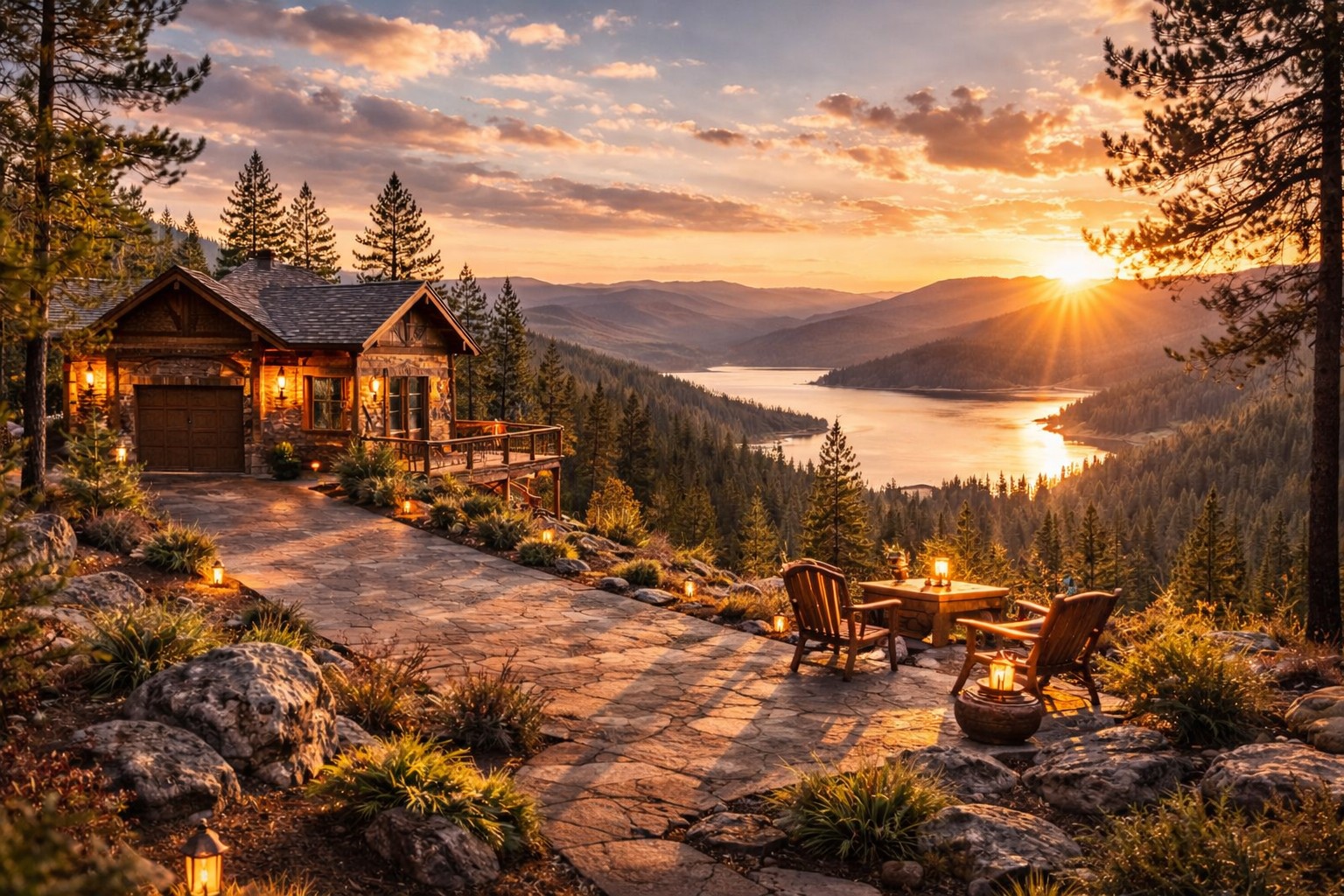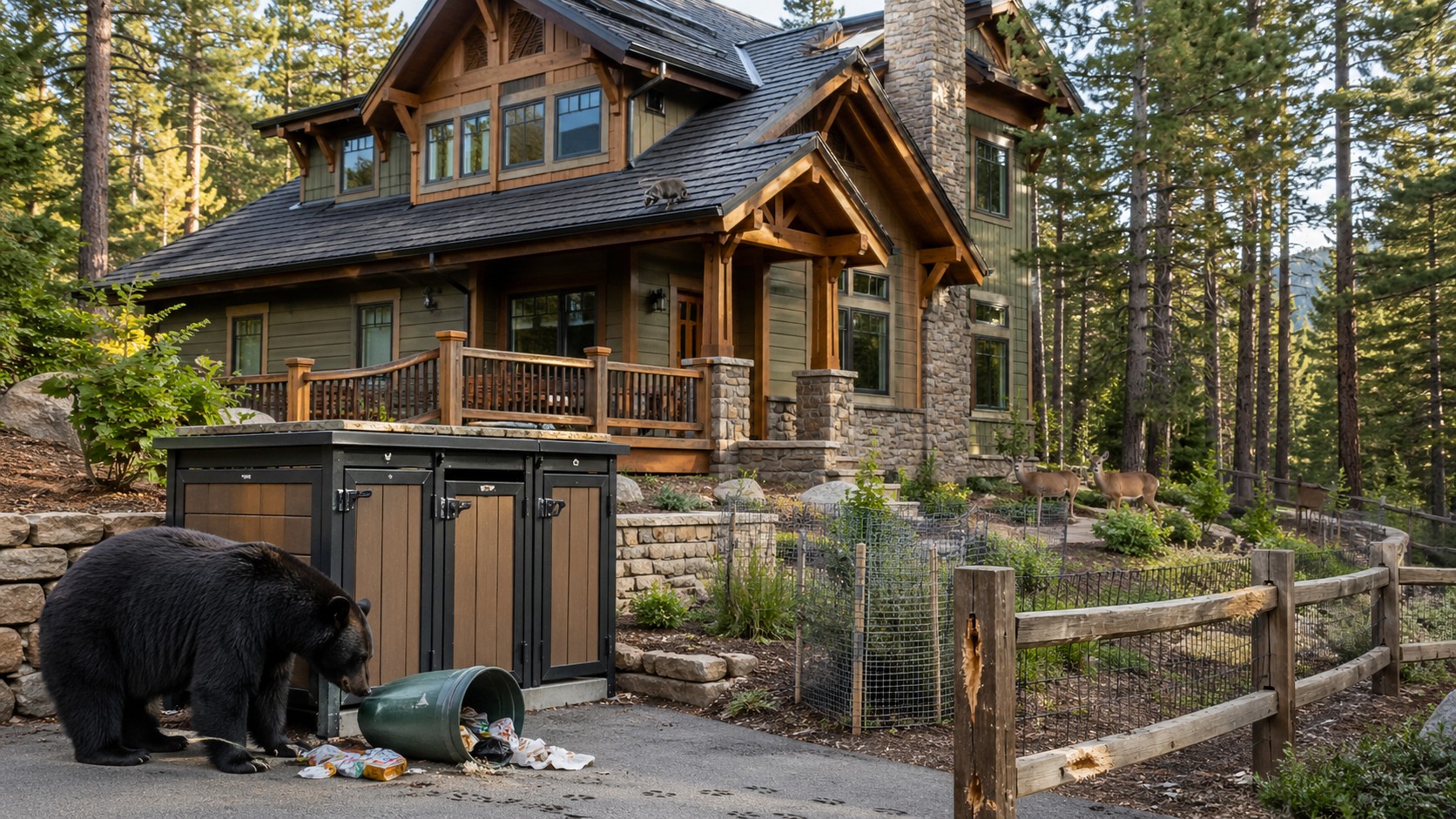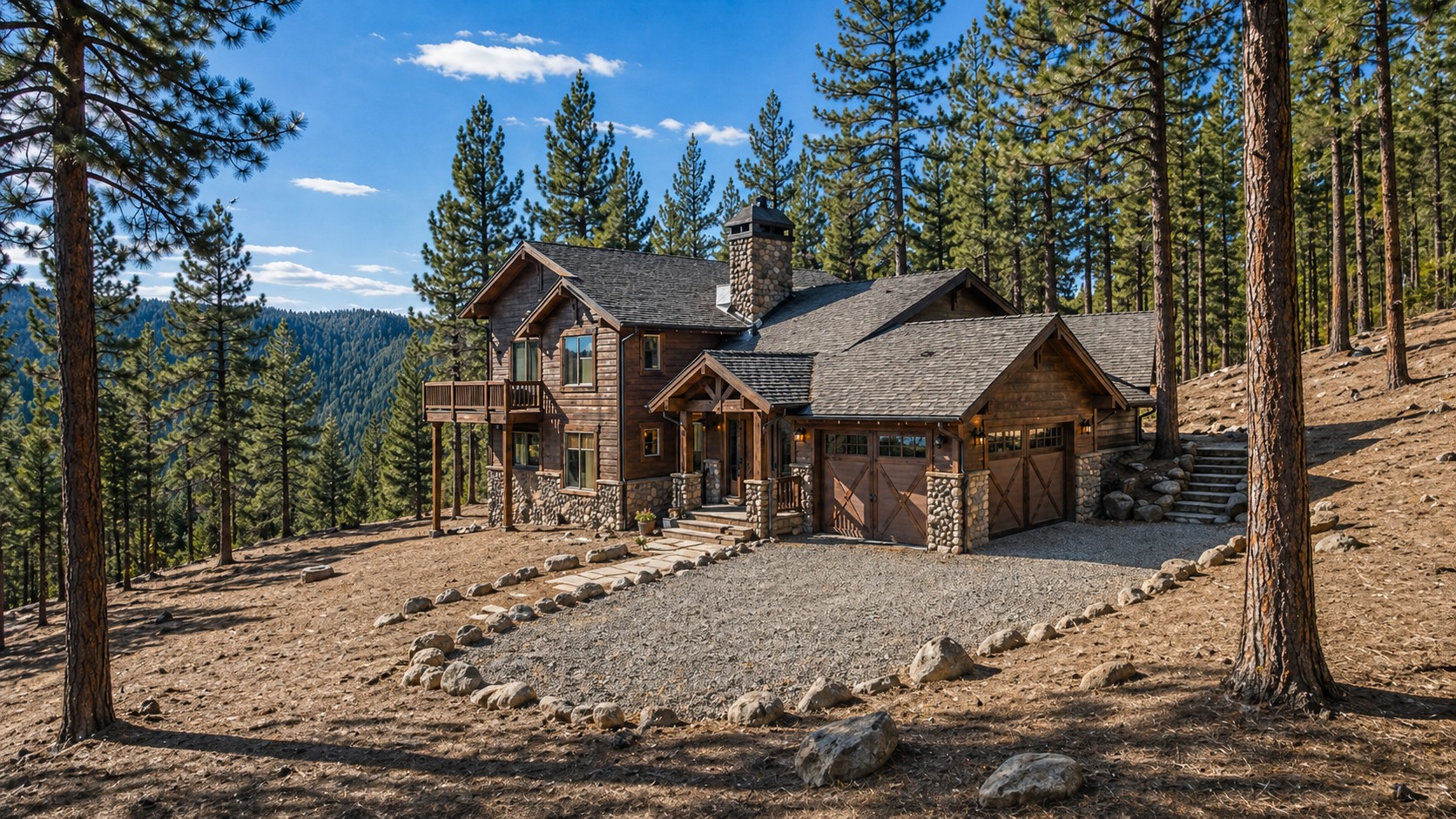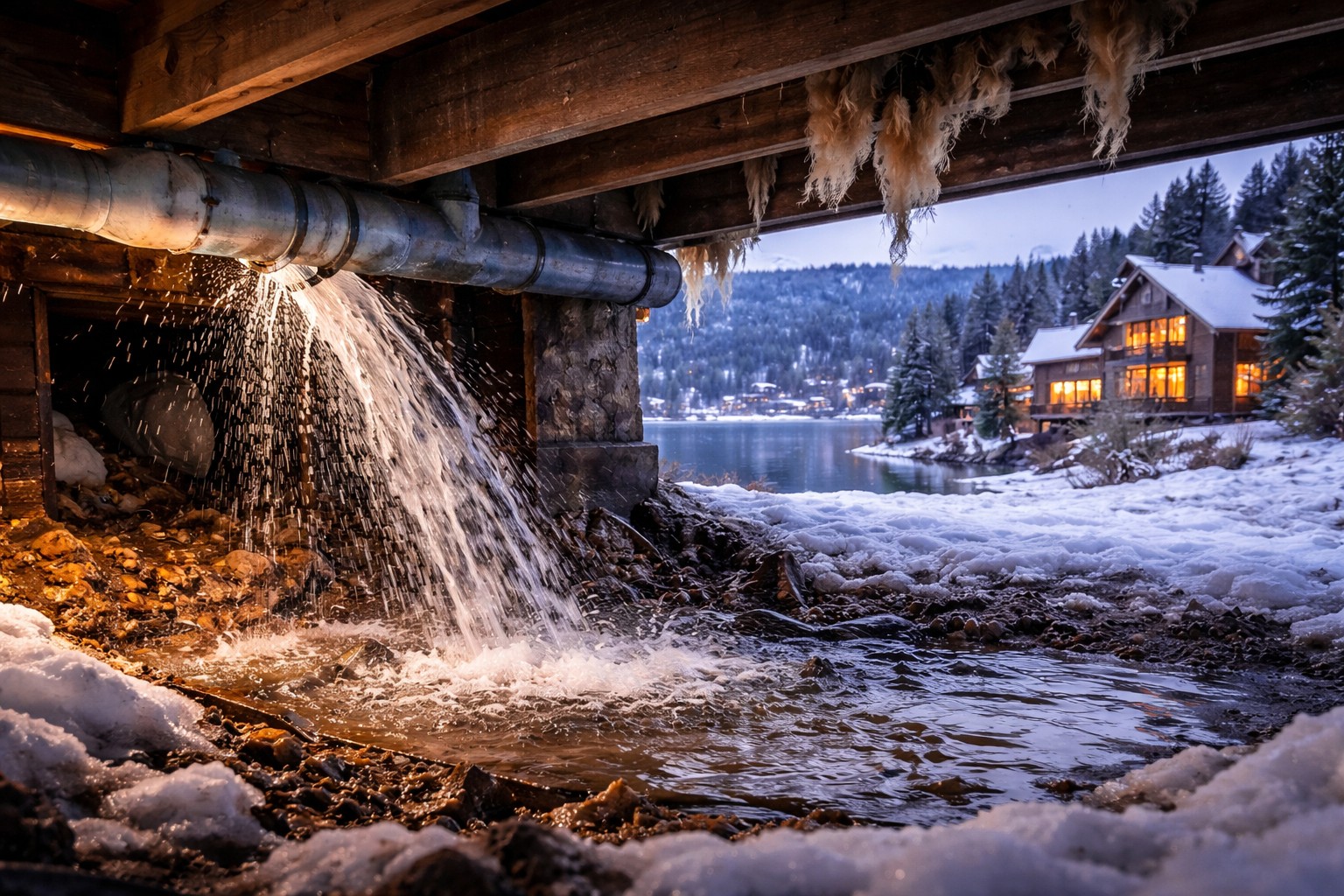
Owning a property in Lake Arrowhead or the surrounding San Bernardino mountain communities is a unique privilege that comes with a specific set of maintenance demands. The environment here is beautiful but unforgiving. From the heavy snow loads of winter to the intense ultraviolet rays of the summer sun, every season brings a new challenge to the structural integrity and safety of your home. For many homeowners, especially those who use their property as a secondary residence or a vacation rental, staying on top of these tasks is the difference between a relaxing retreat and a series of expensive emergencies.
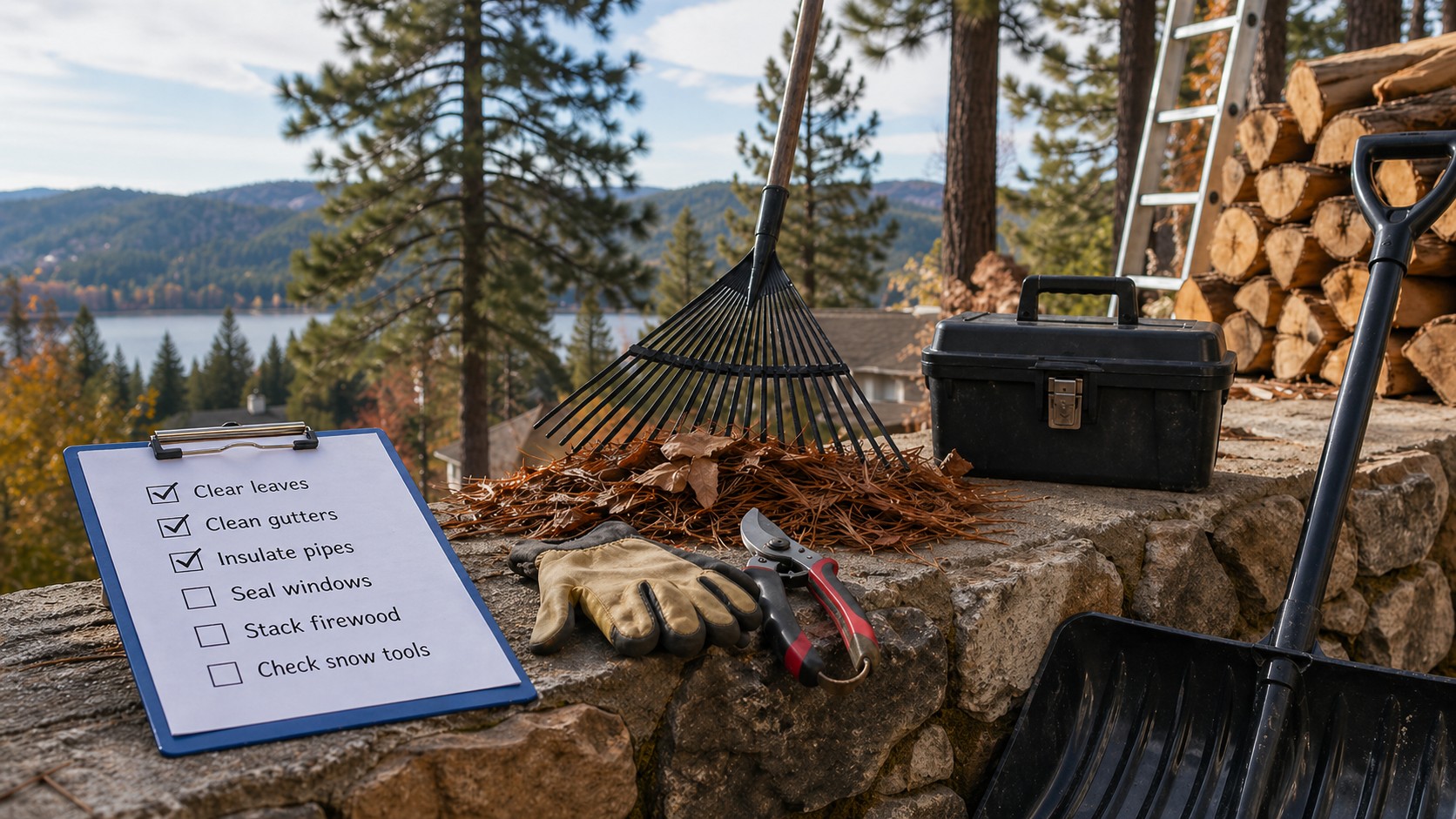
This comprehensive year-round guide is designed to help you navigate the seasonal shifts in the San Bernardino Mountains. By following this schedule, you can protect your investment, ensure compliance with local fire and safety regulations, and maintain the value of your property for years to come.
Spring: The Critical Post-Winter Assessment (March through May)
Spring in Lake Arrowhead is a season of transition. As the snowpack recedes and the ground begins to thaw, your primary objective is to assess the damage caused by the winter months and prepare the exterior of your home for the rainy spring season.
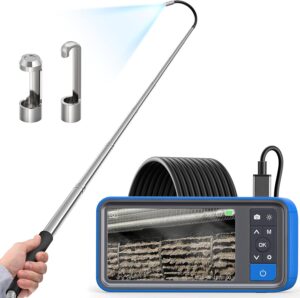
The first and most important task is a thorough inspection of the roof and gutter system. The weight of heavy snow and the formation of ice dams can pull shingles loose or cause gutters to sag. Use a sturdy ladder or a telescopic inspection camera to look for missing granules or cracked tiles. Once the roof is inspected, clear all debris from the gutters immediately. Clogged gutters are a primary cause of water intrusion into the attic and foundation during spring storms.
Next, examine your deck and wooden siding. The freeze-thaw cycle is notoriously hard on wood. Look for signs of wood rot, particularly at the base of deck posts and where the deck meets the house. Spring is the ideal time to clean and reseal your deck before the summer heat arrives. A high-quality waterproof sealant will prevent moisture from penetrating the wood fibers during the spring rains.
Finally, turn your attention to your plumbing and irrigation. If you turned off your outdoor water supply for the winter, carefully restore it and check every spigot for leaks. It is very common for outdoor pipes to develop hairline fractures that only become apparent once the system is pressurized. If you have an irrigation system for your landscaping, test each zone to ensure that the winter freeze did not damage the valves or sprinkler heads.
Summer: Fire Preparedness and Exterior Hardening (June through August)
As the mountains dry out, the focus shifts from water management to fire safety. In Lake Arrowhead and communities like Cedar Glen and Blue Jay, defensible space is a legal requirement that is strictly enforced. Summer is the time to be aggressive about fuel reduction.
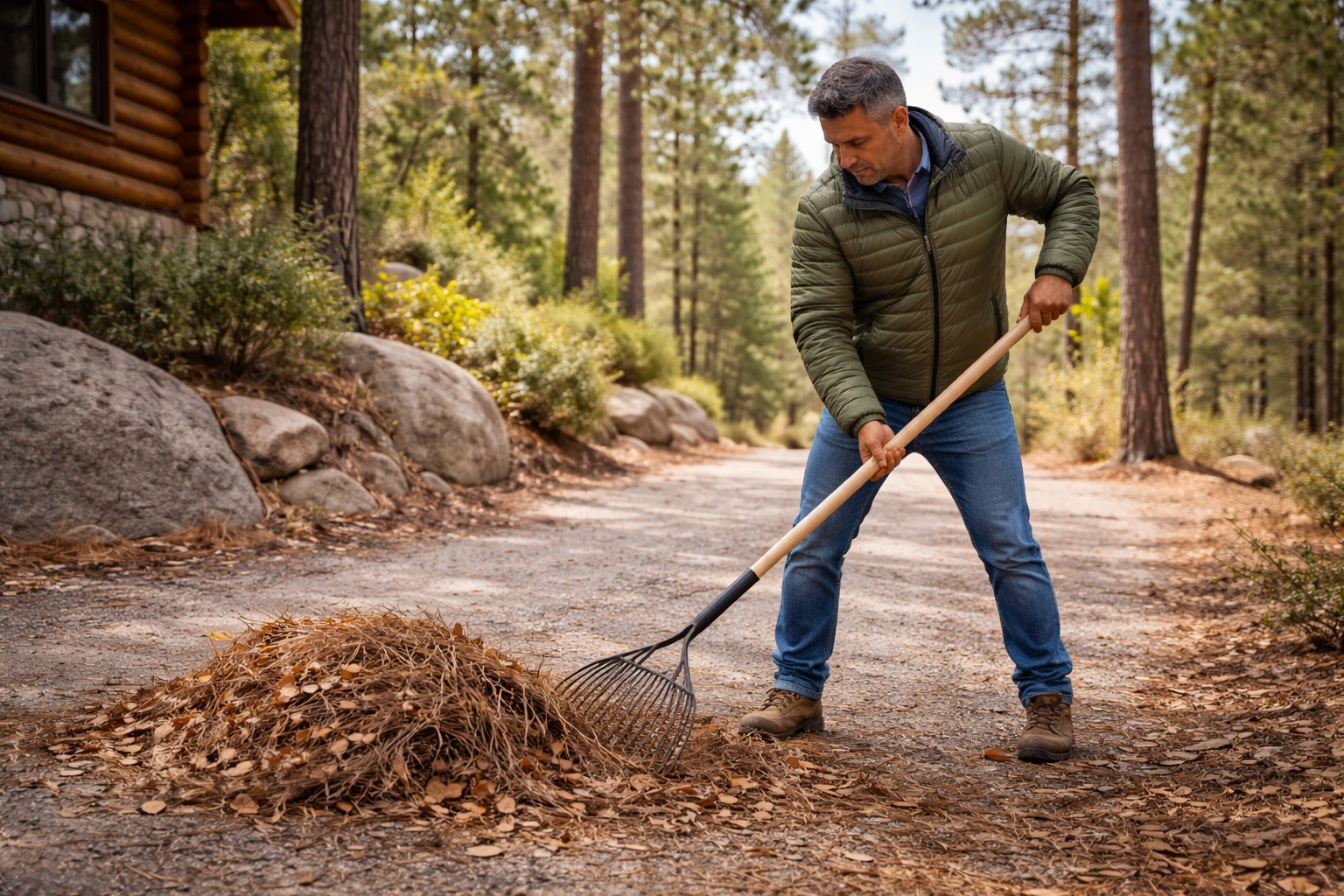
Start by clearing the five-foot “Zone 0” around your home. This area must be completely free of combustible materials, including dead leaves, dry pine needles, and organic mulch. Use a powerful leaf blower to clear these materials from your roof, your gutters, and the base of your foundation. Embers from a distant fire can land in these piles and ignite your home in seconds.

Next, manage your “ladder fuels.” These are the low-hanging branches and shrubs that allow a ground fire to climb into the tree canopy. Prune all tree branches to a height of at least 10 feet from the ground. A pole saw is the safest and most efficient tool for this task, allowing you to reach high limbs without the risk of a ladder on uneven mountain soil.
Summer is also the season for pest control. The warmth brings out carpenter ants, termites, and bark beetles. Inspect your trees for “pitch tubes” or sawdust around the base, which can indicate that a tree is under stress or infested. For the home itself, ensure that all window screens are intact and that your crawlspace vents are clear and covered with fine metal mesh to keep out rodents and embers.
Fall: Hardening for the Winter Freeze (September through November)
Fall is a race against the first snowstorm. Your goal is to “button up” the house to ensure it stays warm, efficient, and dry throughout the winter.
The first priority is your heating system. Have your furnace or boiler professionally serviced before the first cold snap. If you have a wood-burning stove or a fireplace, which are common in Lake Arrowhead homes, you must have the chimney swept. Creosote buildup is a leading cause of structure fires in the mountains during the winter months.

Check the “envelope” of your home for air leaks. Cold mountain winds will find any gap around windows and doors. Use high-quality weatherstripping and caulk to seal these openings. This not only keeps the home warmer but also prevents moisture from entering and freezing inside your walls. Inspect your attic insulation as well; ensuring you have adequate R-value insulation will save you hundreds of dollars in heating costs and help prevent ice dams.
Lastly, prepare your outdoor spaces for the weight of the snow. Move all patio furniture into a garage or shed. If you must leave items outside, use heavy-duty waterproof covers. Drain all garden hoses and store them inside. Most importantly, ensure your snow removal equipment is in good working order. If you have a snow blower, change the oil and test the spark plug now, rather than waiting for the first blizzard.
Winter: Safety and Snow Management (December through February)
During the winter months in the San Bernardino National Forest, maintenance is primarily about safety and accessibility. If you do not live on the property full-time, you must have a plan for snow removal to prevent structural damage and ensure emergency access.
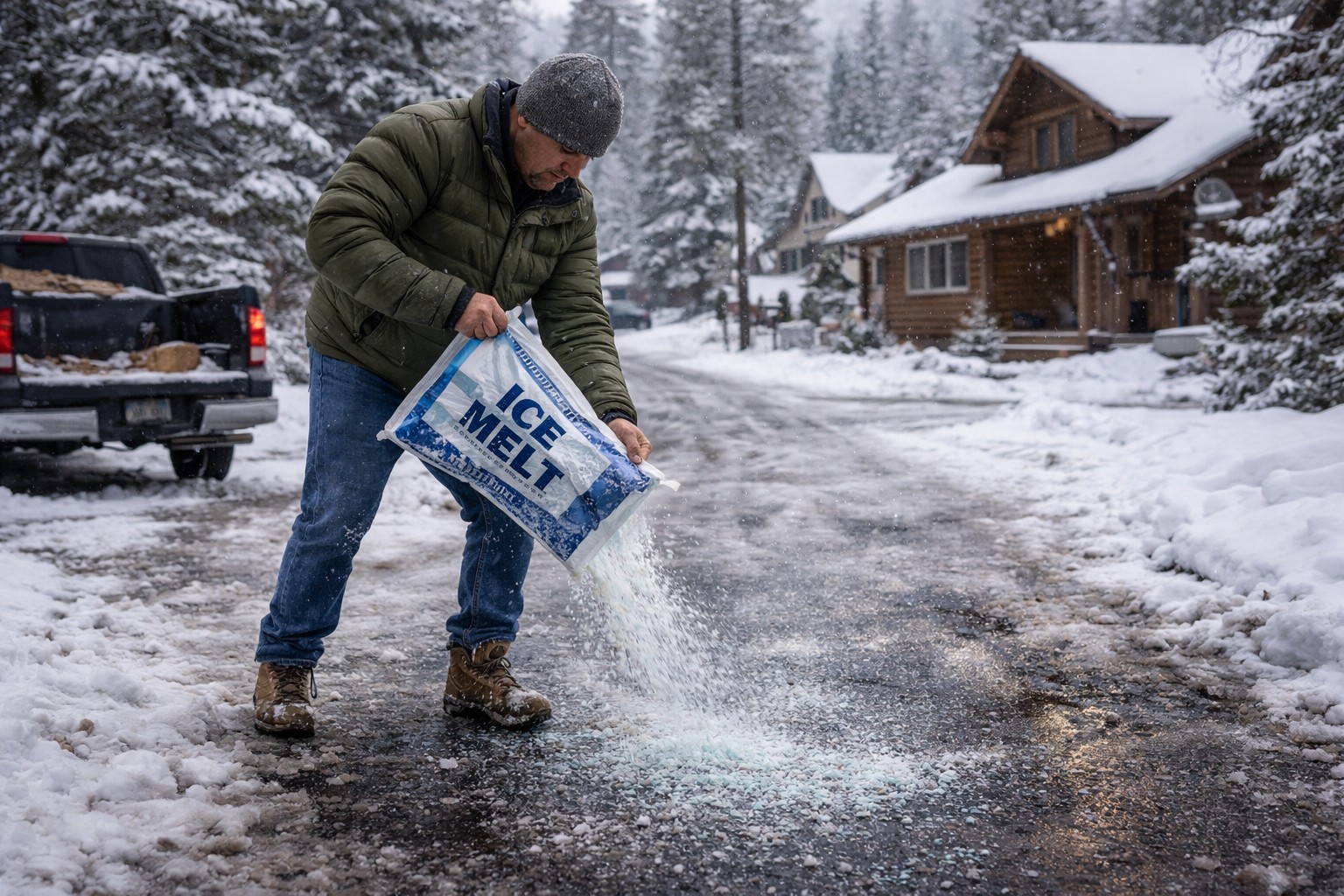
Snow removal should be an ongoing task. Do not wait for the storm to end before you start clearing your driveway and walkways. A two-stage snow blower is essential for Lake Arrowhead properties, as single-stage units often fail in the “wet and heavy” snow typical of our region. For smaller areas and stairs, a sturdy ergonomic snow shovel will reduce the strain on your back.
Monitor the snow accumulation on your roof. While mountain homes are designed for heavy loads, excessive build-up can lead to structural failure or the creation of dangerous ice dams. Use a roof rake to safely remove snow from the eaves while standing on the ground. This prevents ice from backing up under your shingles and causing leaks inside the home.

Finally, focus on indoor safety. Winter is when we use space heaters and fireplaces the most, increasing the risk of fire and carbon monoxide poisoning. Test all smoke and carbon monoxide detectors and replace the batteries if you haven’t done so recently. If your home will be vacant, set your thermostat to at least 55 degrees to prevent pipes from freezing and consider installing a smart water shut-off valve that can alert you to leaks via your smartphone.
Final Thoughts for the Mountain Homeowner
Consistency is the secret to successful property management in Lake Arrowhead. By breaking these tasks down into seasonal chunks, the work becomes manageable rather than overwhelming. Whether you handle these projects yourself or work with a local professional like Hammer’s Mountain Services, the goal remains the same: a safe, compliant, and well-preserved home. Staying proactive with your maintenance allows you to spend less time worrying about repairs and more time enjoying the incredible lifestyle that the San Bernardino Mountains have to offer.