If you own property in Lake Arrowhead or anywhere in the surrounding San Bernardino National Forest communities, fire abatement inspections are something you can’t afford to ignore. Every year, local agencies evaluate properties to make sure they meet defensible space requirements, and for good reason. In mountain environments like this, wildfire risk is part of everyday reality.
For many homeowners, receiving a fire abatement notice can feel overwhelming. There’s often confusion about what’s required, how much work needs to be done, and how quickly it has to be completed. But the truth is, passing a fire abatement inspection isn’t complicated when you understand what inspectors are looking for and stay consistent with maintenance.
The key is to stop thinking of fire abatement as a one-time task and start treating it as part of ongoing property care. When you approach it that way, inspections become routine instead of stressful. Whether you live in your home full-time or own a second property in the mountains, staying compliant is one of the most important steps you can take to protect your investment and the surrounding community.
What a Fire Abatement Inspection Actually Looks For
Fire abatement inspections are centered around one primary goal, reducing the amount of combustible material around your home. Inspectors aren’t looking to make things difficult. They’re looking to ensure that your property doesn’t contribute to the spread of wildfire.
The focus is on defensible space, which means creating a buffer between your home and surrounding vegetation. This buffer helps slow the spread of fire and reduces the likelihood that your structure will ignite from flames, radiant heat, or airborne embers.
Inspectors will typically look for dead vegetation, excessive brush, low-hanging tree branches, and any buildup of pine needles or debris. They also evaluate how close vegetation is to your home, decks, and other structures. If materials are too dense or too close, they increase the risk of fire reaching your property.
It’s important to understand that this isn’t just about checking boxes. These requirements are based on how fire behaves in mountain environments. When properties are properly maintained, it creates a safer overall community and gives firefighters a better chance of protecting homes during an active fire.
Understanding Defensible Space Zones
Defensible space in California is generally divided into two zones extending out from your home. Each zone has its own purpose and requirements, and both play a critical role in passing an inspection.
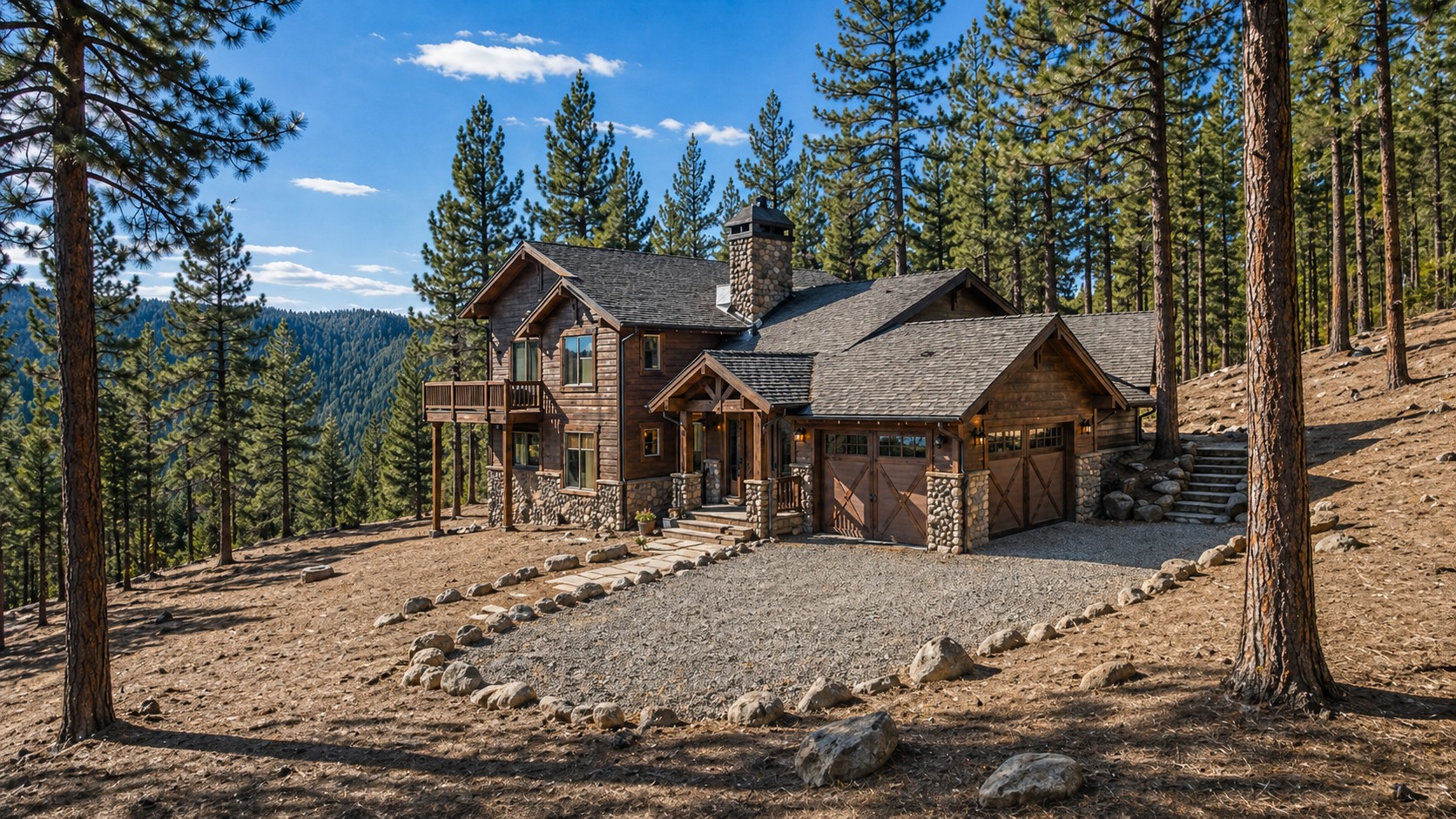
The first zone, often referred to as the immediate zone, extends roughly 30 feet from your home. This area should be kept as clear as possible. Dead plants, dry leaves, pine needles, and any flammable debris should be removed regularly. Trees should be trimmed so branches are not touching or overhanging your roof.
This zone is where most ignition risks occur, especially from embers. Keeping it clean and well-maintained significantly reduces the chances of fire starting near your structure.
The second zone extends from 30 to 100 feet out from your home. This area focuses more on spacing and fuel reduction rather than complete clearing. Trees should be spaced apart, brush should be thinned, and lower branches should be trimmed to prevent fire from climbing from the ground into the canopy.
Both zones work together to slow the spread of fire and create a safer environment around your home. When maintained properly, they are one of the most effective tools for wildfire prevention.
Common Reasons Properties Fail Inspections
Most properties don’t fail fire abatement inspections because of major violations. They fail because of small, overlooked issues that build up over time. In mountain environments, things accumulate quickly, and it doesn’t take long for a property to fall out of compliance.
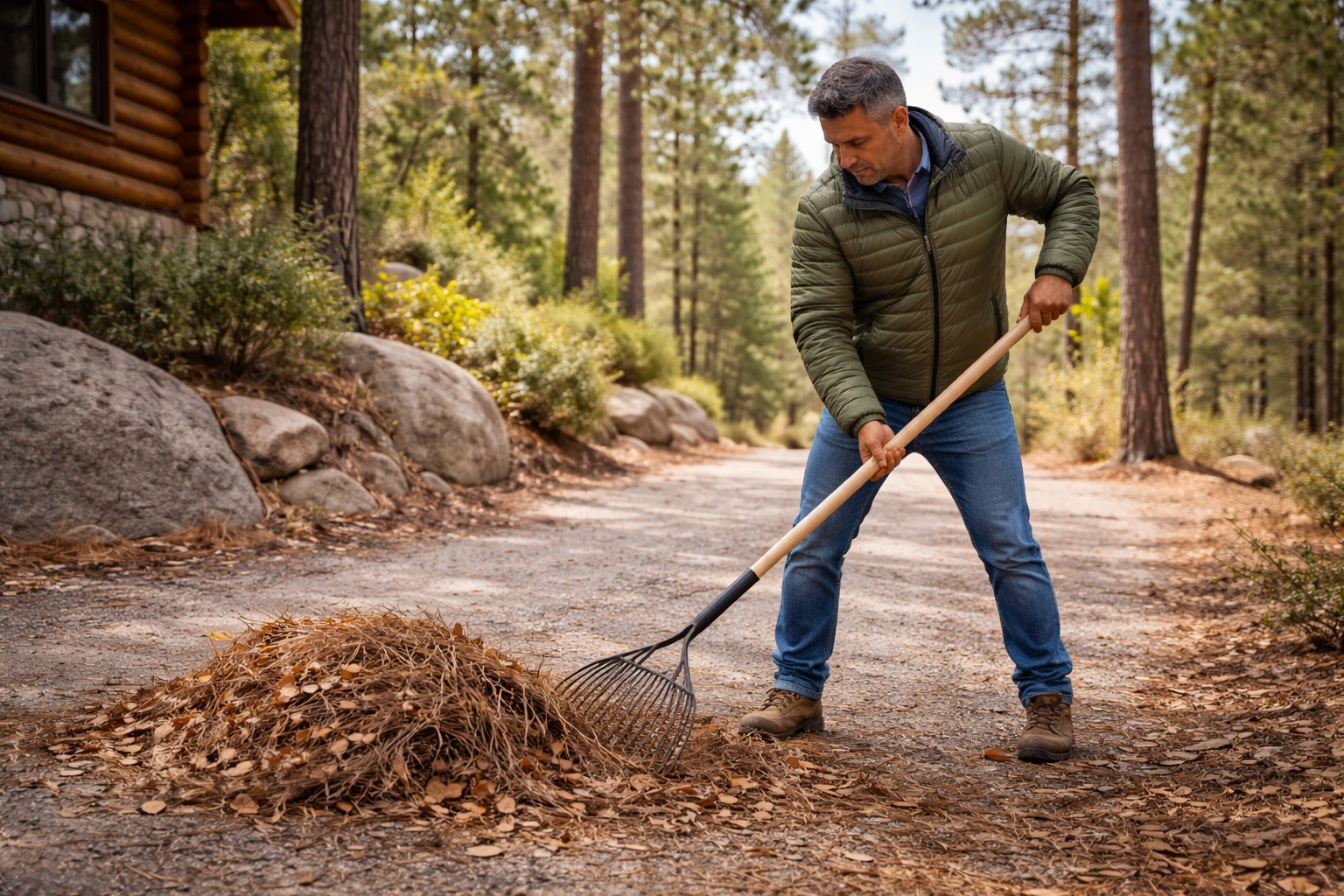
One of the most common issues is the buildup of pine needles and leaf litter. These materials are highly flammable and tend to collect on roofs, in gutters, and around the base of structures. Even if a property was cleared earlier in the year, it can easily become a hazard again within a few months.
Overgrown vegetation is another frequent problem. Shrubs and brush that are too close to the home or too dense create pathways for fire to spread. Tree branches that hang too low or extend over structures also increase risk and are often flagged during inspections.
Another issue is improper storage of combustible materials. Firewood, lumber, or other flammable items stored too close to the home can contribute to ignition. These materials should be moved away from structures and stored in designated areas.
The key takeaway is that most inspection failures are preventable. With regular maintenance and attention to detail, these issues can be addressed before they become a problem.
Why Timing Matters More Than You Think
One of the biggest mistakes homeowners make is waiting until they receive a notice to take action. By that point, you’re already working against a deadline, and depending on the amount of work needed, it can become stressful to complete everything on time.
Fire abatement isn’t something that should be handled once a year and then forgotten. Conditions in the mountains change constantly. Wind, weather, and seasonal growth all contribute to new buildup and vegetation changes.
Staying ahead of these changes is what keeps your property compliant year-round. Instead of scrambling to meet inspection requirements, you’re maintaining a property that is always ready. This approach not only reduces stress but also improves overall safety.
Regular upkeep also allows you to spread out the work over time, making it more manageable. Small, consistent efforts are far more effective than large, last-minute cleanups.
The Role of Ongoing Maintenance in Passing Inspections
Ongoing maintenance is the foundation of successful fire abatement. It’s not just about clearing brush once and assuming the job is done. It’s about creating a system that keeps your property in compliance at all times.
This includes regularly removing debris, trimming vegetation, and monitoring changes in your landscape. It also means paying attention to how your property evolves throughout the year. What looks safe in the spring may not be safe by late summer or early fall.
Consistent maintenance also allows you to catch potential hazards early. A tree that starts to lean, a buildup of dead branches, or an increase in dry vegetation can all be addressed before they become serious risks.
For many homeowners, especially those who don’t live in the area full-time, maintaining this level of consistency can be challenging. That’s why working with a local team that understands the environment can make such a big difference.
How Local Expertise Makes the Process Easier
Fire abatement in mountain communities isn’t just about following a checklist. It requires an understanding of local terrain, vegetation, and fire behavior. What works in one area may not be effective in another, and knowing the difference is important.
A local service provider brings experience that goes beyond basic maintenance. They understand how quickly conditions can change, what inspectors are likely to focus on, and how to prepare properties in a way that meets both safety standards and practical needs.
Hammer’s Mountain Services has been working in Lake Arrowhead and the surrounding communities for decades, helping homeowners stay compliant and prepared. That experience translates into efficient, effective work that keeps properties inspection-ready throughout the year.
Instead of guessing what needs to be done, homeowners can rely on proven methods that align with local requirements and real-world conditions.
Avoiding Fines and Protecting Your Property Value
Failing a fire abatement inspection doesn’t just create extra work. It can also lead to fines or enforcement actions if issues aren’t addressed within the required timeframe. In some cases, agencies may step in and complete the work themselves, billing the homeowner for the service.
Beyond the immediate consequences, there’s also the impact on property value and insurance. Homes that are not properly maintained may be seen as higher risk, which can affect insurance coverage or premiums.
Maintaining defensible space and staying compliant helps protect your home in more ways than one. It reduces wildfire risk, avoids unnecessary costs, and ensures your property remains in good standing.
This is another reason why consistency matters. When your property is always maintained, you’re not just passing inspections. You’re protecting your investment long-term.
Stay Ready Instead of Playing Catch-Up
Fire abatement inspections are a standard part of owning property in Lake Arrowhead and the surrounding mountain communities. While they may seem intimidating at first, they become much easier to manage when you understand what’s required and stay consistent with maintenance.
The goal isn’t just to pass an inspection. It’s to create a safer environment for your home and your community. Defensible space plays a critical role in wildfire prevention, and maintaining it properly gives you a significant advantage.
Instead of waiting for a notice and scrambling to complete the work, the better approach is to stay ready year-round. With regular upkeep and the right support, inspections become routine rather than stressful.
For homeowners who want to simplify the process and ensure their property is always compliant, working with a trusted local company like Hammer’s Mountain Services provides the experience and consistency needed to stay ahead.
When it comes to wildfire safety in the mountains, preparation isn’t optional. It’s essential.