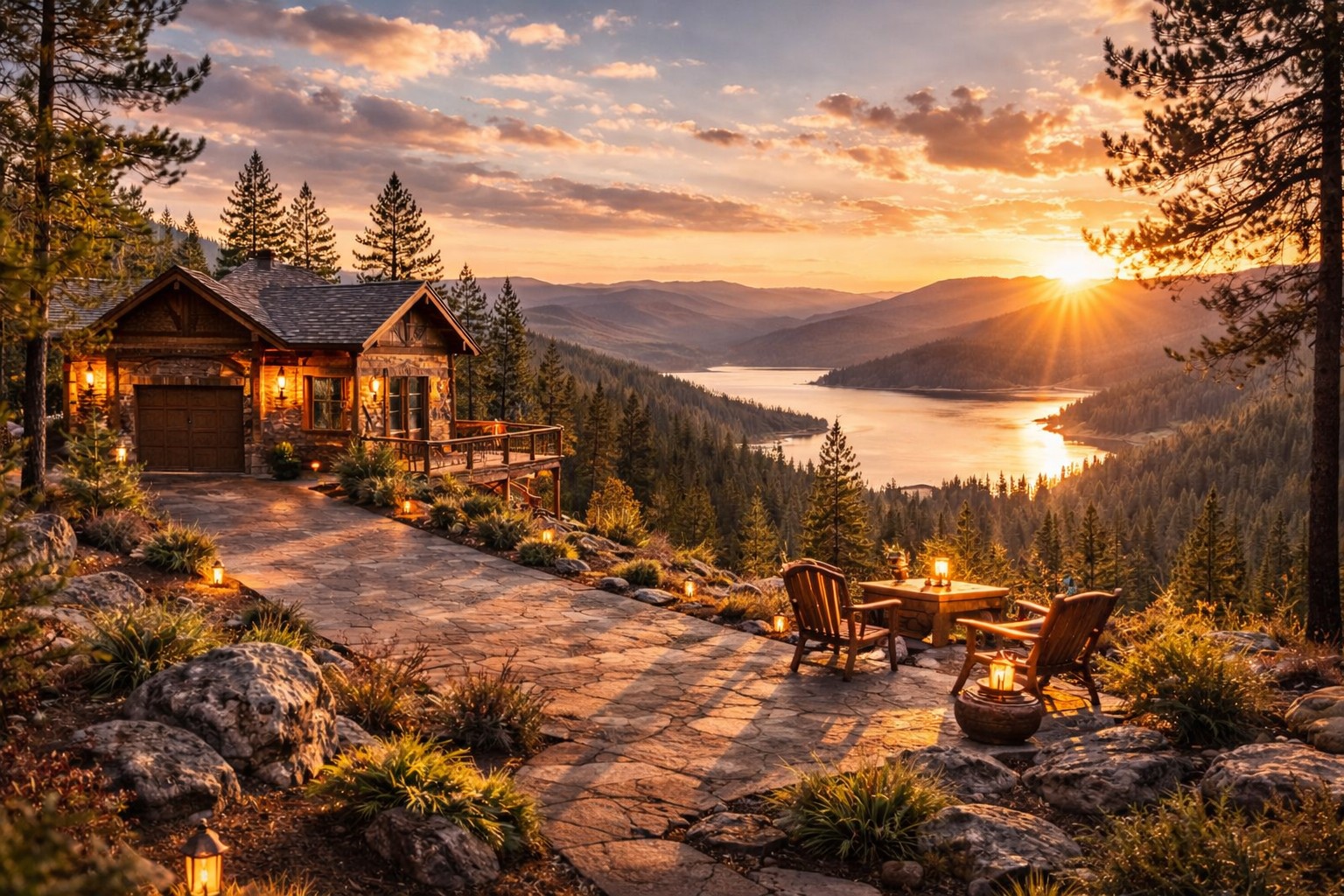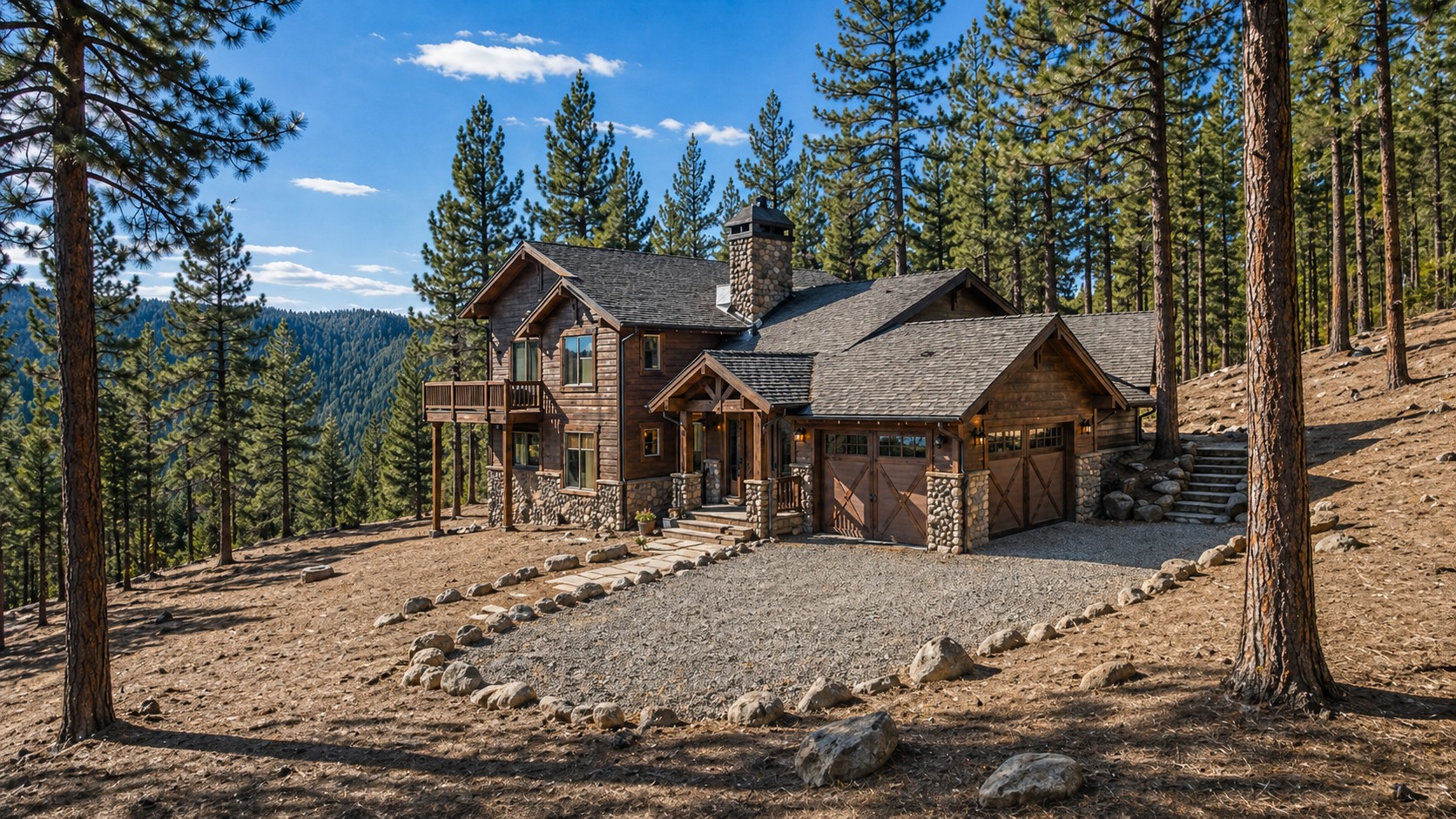
Living in the mountains comes with a lot of beauty, but it also comes with responsibility. In communities like Lake Arrowhead and the surrounding San Bernardino mountain areas, homeowners share the landscape with bears, raccoons, skunks, coyotes, squirrels, birds, and other wildlife that were here long before the homes, roads, decks, garages, trash cans, and vacation rentals arrived.
Most of the time, wildlife is simply part of mountain living. Seeing deer near the road, hearing animals at night, or spotting the occasional bear moving through the area can be part of what makes the mountain feel special. The problem starts when wildlife gets too comfortable around homes, trash, food, crawl spaces, garages, decks, and outdoor storage areas.
The point is not to treat every animal like a threat. The point is to make your home less attractive to wildlife in the first place. A few smart prevention habits can help protect your property, reduce damage, and keep both homeowners and animals safer.
For second-home owners and vacation rental owners, this matters even more. A full-time resident may notice a torn screen, tipped trash can, damaged vent, or animal activity right away. A homeowner who is off the mountain for days or weeks at a time may not know there is a problem until it becomes more expensive to fix.
Why Wildlife Damage Happens Around Mountain Homes
Wildlife activity around mountain homes usually starts with access, shelter, or food. Animals are not trying to be difficult, and they are not showing up because they respect property lines. They are looking for easy opportunities.
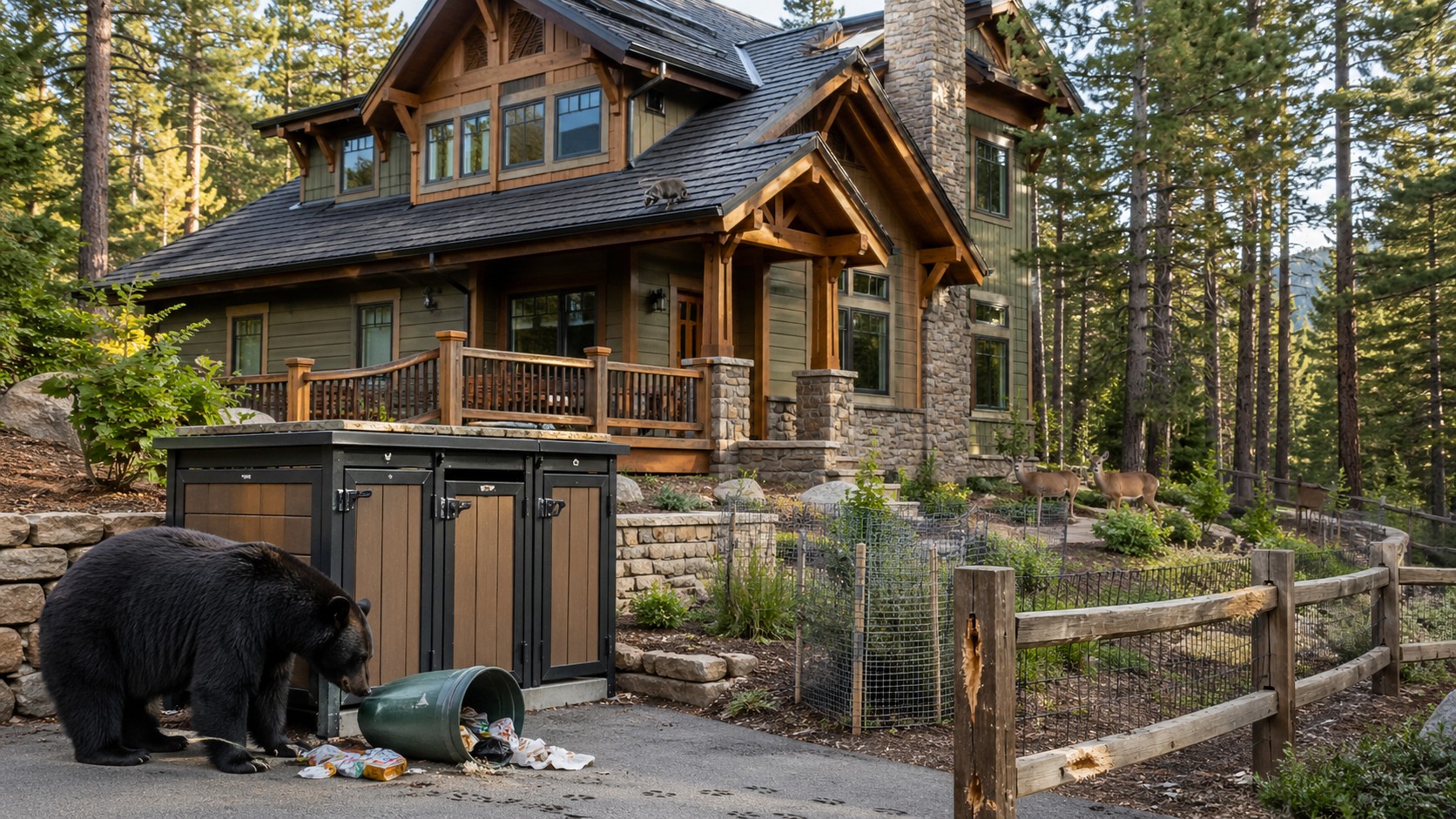
The U.S. Forest Service notes that many conflicts between people and black bears are tied to bears getting access to garbage, human food, pet food, or livestock feed. Once a bear connects homes or developed areas with food, the situation can become more dangerous for both people and the bear. The Forest Service also reminds residents not to approach or feed bears, and to help keep black bears wild by removing those attractants.
That same idea applies beyond bears. Raccoons, skunks, squirrels, and other animals may look for food, warmth, nesting areas, or protected spaces under decks, inside crawl spaces, in attics, near garages, or around trash storage. San Bernardino County Animal Care notes that raccoons and skunks can damage property, get in or under buildings, and should be given distance because they can carry disease.
Mountain homes can be especially vulnerable because many are used seasonally, rented to guests, or left vacant between visits. When a property is quiet for long stretches, small problems can go unnoticed. A loose vent cover, unsecured trash area, torn screen, or gap under a deck may not seem urgent at first, but wildlife does not need a formal invitation. It only needs an opening.
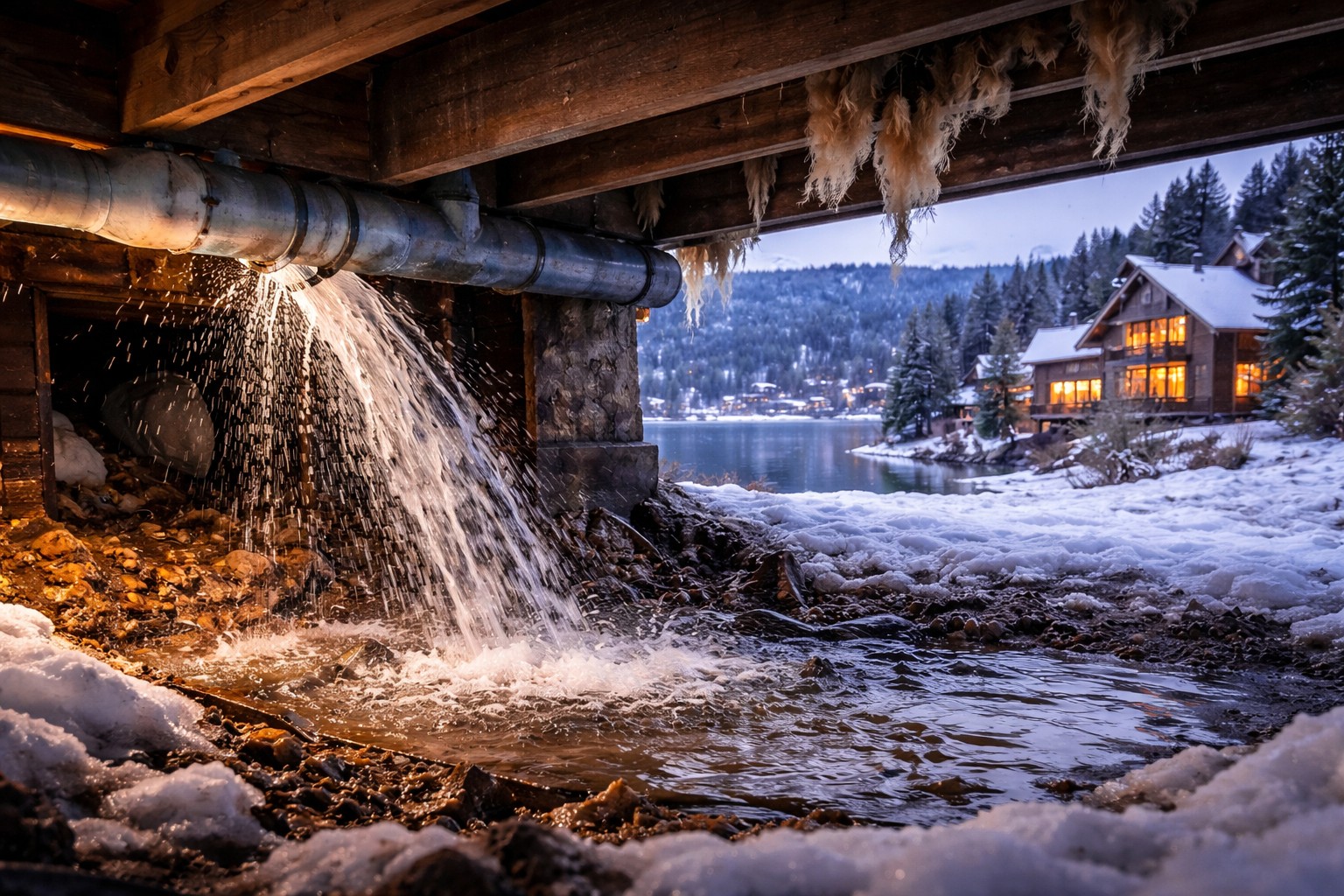
Weather can add to the issue. After storms, heavy snow, wind, or seasonal changes, homes may have new gaps, damaged exterior areas, moved trash containers, or debris around the property. If the owner is not there to inspect the home regularly, those issues can sit long enough to attract animals or allow them to cause damage.
That is why prevention is so important. Once wildlife starts associating a property with food, shelter, or easy access, the problem becomes harder to manage.
Start With the Biggest Attractant: Food and Trash
The first step in protecting a mountain home from wildlife damage is controlling anything that smells like food. Trash, pet food, bird seed, barbecue grease, food scraps, and even unsecured coolers can attract animals.
Trash is one of the most common problems. Bags left outside, overfilled cans, loose lids, and guest trash that is not handled properly can quickly draw attention from wildlife. For vacation rentals, this can be especially difficult because guests may not understand local wildlife concerns or mountain trash rules. They may leave food waste outside, fail to secure bags, or place trash where animals can reach it.
Homeowners should use secure trash storage whenever possible. Trash should be bagged properly, kept in approved containers, and not left exposed on decks, porches, driveways, or open areas. If trash pickup or disposal is difficult to manage from off the mountain, it is worth arranging help. Hammer’s Mountain Patrol lists trash disposal and moving trash cans to the street and back as available itemized services, which can be helpful for owners who are not always present to handle those details themselves.
Pet food should never be left outside. Even if it is only meant for a short time, the smell can attract animals. Bird feeders can also be a problem, especially when seed falls to the ground. Barbecue grills should be cleaned after use, and grease trays should be emptied. Outdoor refrigerators, storage bins, and coolers should be secured or brought inside when not in use.
For short-term rentals, it is a good idea to include simple wildlife-related instructions for guests. Keep the language clear and practical. Guests should know where trash belongs, when it should be placed out, what not to leave outside, and why it matters. Most guests are willing to follow rules when they understand the reason behind them.
Food management may not sound like a major home protection strategy, but it is one of the most important steps. If animals do not find an easy reward at your property, they are less likely to return.
Seal the Gaps Before Wildlife Finds Them
Wildlife damage often begins with a small opening. A loose vent, damaged screen, cracked crawl space cover, gap under a deck, broken garage seal, or unsecured access panel can give animals the opportunity they need.
Homeowners should inspect the exterior of the property regularly, especially around lower areas of the home, decks, sheds, garages, vents, crawl spaces, chimneys, rooflines, and utility openings. Look for signs of chewing, scratching, digging, nesting material, droppings, damaged insulation, bent screens, or disturbed soil.
The goal is to find weak points before animals move in. Once wildlife has nested under a structure or found a protected space inside a property, removal and repair can become more complicated. It is usually easier and less expensive to close a small gap early than to deal with damage after the animal has already settled in.
Common areas to check include:
- Crawl space doors and vents
- Attic vents and roof openings
- Gaps under decks or stairs
- Garage doors and weather stripping
- Chimney caps
- Exterior storage sheds
- Foundation openings
- Screens, windows, and door seals
- Pet doors
- Areas around pipes, wires, or utility lines
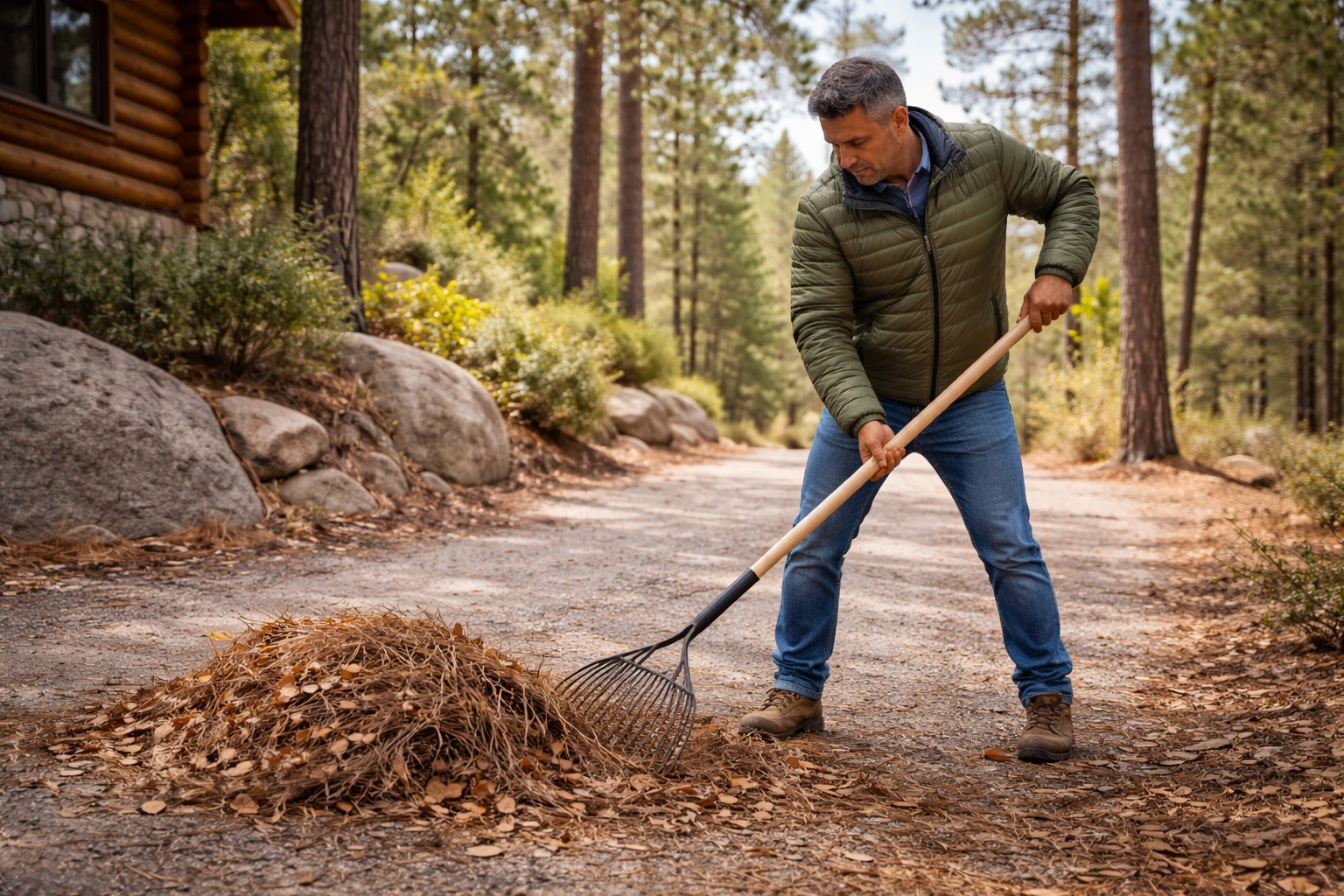
Tree limbs and vegetation should also be considered. Branches that touch or hang over the roof can give animals easier access to upper areas of the home. Overgrown vegetation near the house can create cover and hiding places. Keeping the property trimmed and maintained can reduce some of those opportunities.
Hammer’s Mountain Patrol’s prides itself on educating residents around the realities of mountain property care, including home inspections, seasonal maintenance, defensible space, yard cleanup, tree trimming, and other services that help keep properties safe and maintained throughout the year.
For owners who are not on the mountain full time, routine exterior checks can make a major difference. A trained local set of eyes can spot damage, access points, or unusual activity before the issue grows.
Protect Vacant Homes and Short-Term Rentals
Second homes and short-term rentals face a different set of risks because the owner may not be nearby when something happens. Wildlife damage can occur quickly, but the real cost often comes from the delay in discovering it.
A torn screen may allow animals into a porch or enclosed area. A tipped trash can may bring repeat visits. A damaged vent may create an entry point. A guest may leave food outside without realizing the risk. A storm may expose part of the home. If no one checks the property, these issues can continue unnoticed.
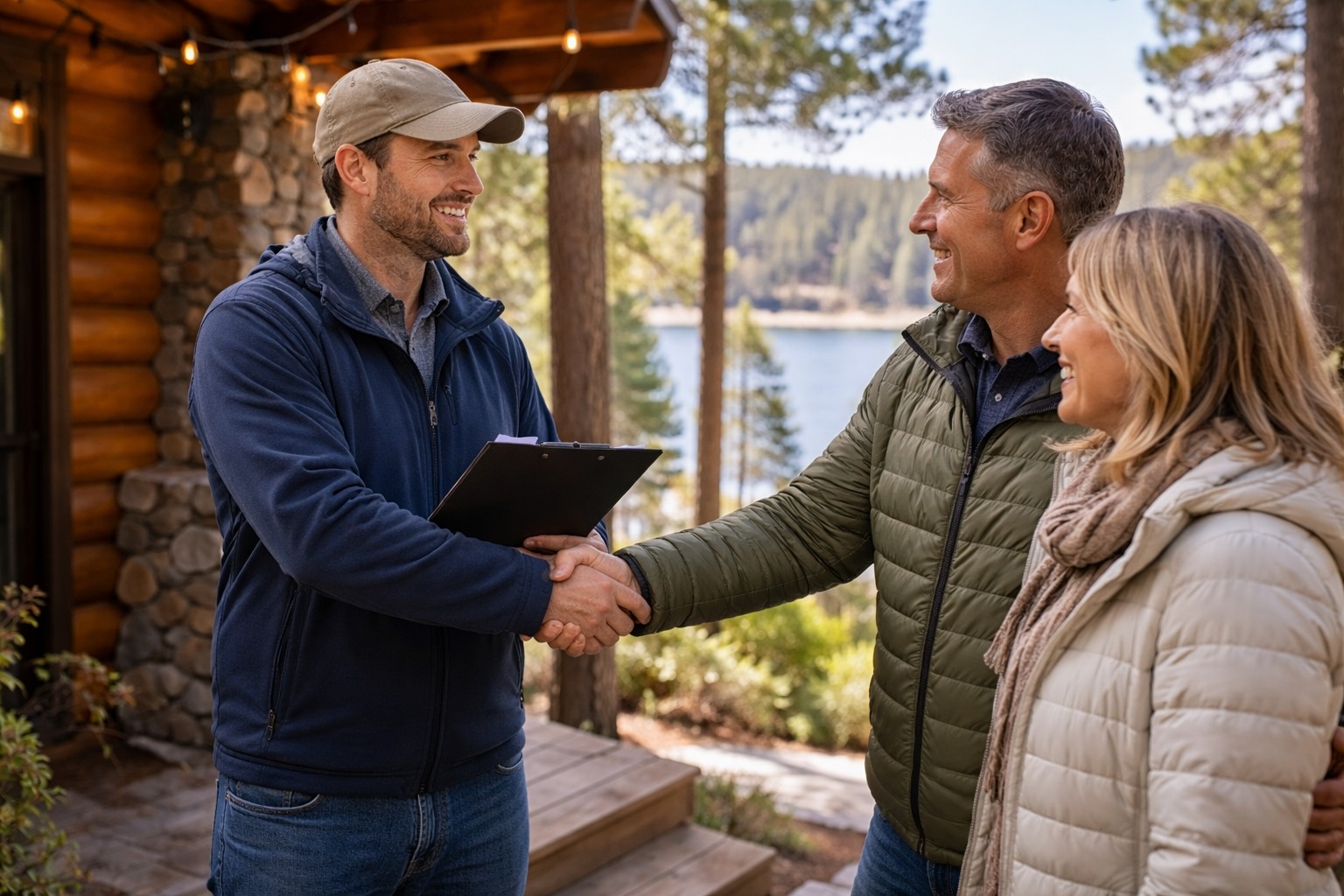
This is where routine property monitoring becomes important. Hammer’s Mountain Patrol describes itself as providing local support for second homes, vacation rentals, and mountain properties, including weekly home inspections, guest support, seasonal maintenance, and property care. Its website also emphasizes that the team helps homeowners stay informed through updates, reporting, and photo documentation.
For short-term rentals, wildlife prevention should be part of the guest-readiness process. Before guests arrive, the property should be checked for trash, exterior damage, open access points, food left outside, and anything that may attract animals. After guests leave, the property should be checked again, especially around trash areas, decks, barbecue grills, hot tubs, garages, and outdoor seating areas.
Clear guest instructions can help prevent problems, but instructions alone are not always enough. Some guests may be unfamiliar with mountain living. Others may forget. A local property care team can help close that gap by checking the home, handling trash-related needs, coordinating services, and identifying problems that need attention.
Hammer’s also provides short-term rental support designed around local requirements and guest-related needs, including routine property monitoring and disturbance response. For owners managing a rental from off the mountain, that kind of local presence can be valuable.
Wildlife prevention is not just about protecting the structure. It also helps protect the rental experience. Guests do not want to arrive to scattered trash, damaged screens, animal messes, or signs that wildlife has been around the property. Keeping the home monitored and maintained helps protect both the property and the owner’s reputation.
Know What to Do When Wildlife Is Nearby
Prevention is the best strategy, but homeowners should also know how to respond if wildlife is nearby.
If you see a bear, do not approach it and do not feed it. The Forest Service advises that black bears should be considered unpredictable and potentially dangerous. If a bear is visible but not close, move away from the area. If a bear approaches, remain calm, do not run, face the bear, and slowly back away.
For raccoons and skunks, San Bernardino County Animal Care advises keeping distance and moving away slowly and quietly if you come across one too closely. Homeowners should never try to corner, handle, or remove wildlife themselves. If an animal appears sick, aggressive, trapped, or has entered a living space, contact the appropriate local animal control or wildlife professionals.
It is also important to avoid creating repeat behavior. If wildlife gets into trash once, clean the area thoroughly and improve storage. If an animal damages a vent, repair and reinforce it. If an animal finds food near a deck or grill, remove the attractant and clean the area. Waiting to see if it happens again usually gives the animal another chance to learn that the property is worth visiting.
Homeowners should also document damage when it happens. Photos, dates, notes, and inspection reports can help with insurance questions, repair planning, and service coordination. For second-home owners, photo documentation from a local service provider can be especially useful because it gives the owner a clearer understanding of what happened without needing to be physically present.
The most important thing is to take wildlife activity seriously without panicking. Mountain homeowners live near wildlife, and occasional activity is expected. But repeated activity, property damage, access to food, or signs of animals entering structures should be addressed quickly.
Make Wildlife Prevention Part of Mountain Home Care
Protecting a mountain home from wildlife damage is not a one-time task. It is part of ongoing property care.
A good prevention plan should include secure trash handling, regular exterior inspections, sealed access points, clean outdoor areas, trimmed vegetation, guest instructions for rentals, and quick response when damage or animal activity is noticed. The goal is not to make the property wildlife-proof in some unrealistic sense. The goal is to make it harder for animals to access food, shelter, or entry points.
For many mountain homeowners, the challenge is not knowing what should be done. The challenge is being there often enough to do it.
That is why local support matters. Hammer’s Mountain Patrol has been caring for homes in Lake Arrowhead since 1996, according to the company’s history, and serves mountain communities including Lake Arrowhead, Blue Jay, Crestline, Cedar Glen, Skyforest, Twin Peaks, Lake Gregory, and Running Springs. The company’s patrol and concierge services are built for first homeowners, second homeowners, vacation rentals, commercial properties, and homeowner associations.
Whether you need routine home checks, help managing trash, seasonal maintenance, rental support, or someone local to keep an eye on the property, having a dependable team nearby can help you stay ahead of problems instead of reacting after damage has already occurred.
Wildlife will always be part of mountain living. That is part of the beauty of owning a home in places like Lake Arrowhead and the surrounding communities. But wildlife damage does not have to be treated as unavoidable. With prevention, regular monitoring, and local support, homeowners can reduce risk and protect their property year-round.
Mountain Homes Need Mountain Care
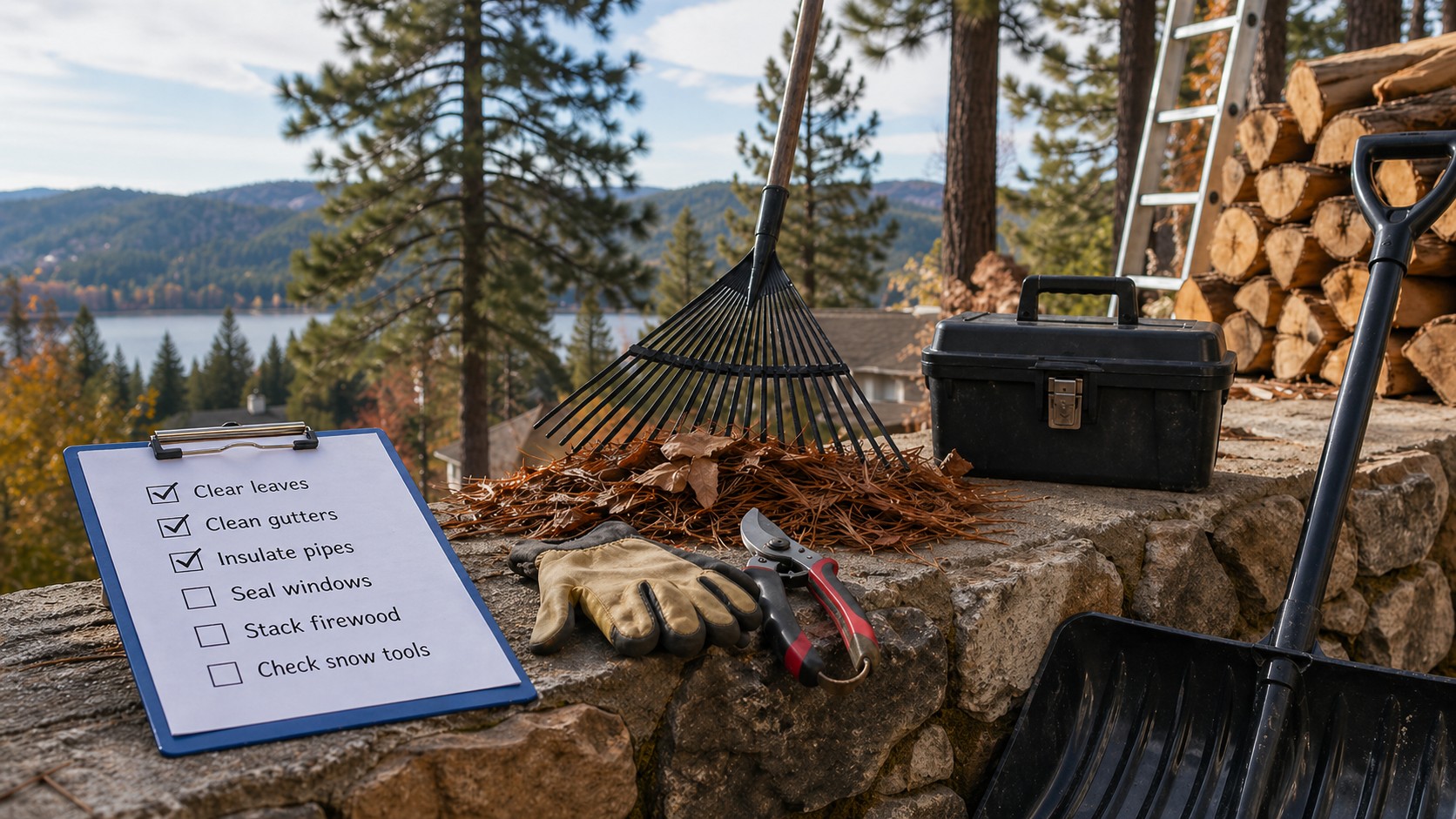
Mountain homes need a different level of care than homes off the hill. Weather, distance, vacancy, guests, trash, and wildlife all create responsibilities that are easy to underestimate until something goes wrong.
The best way to protect your home from wildlife damage is to stay proactive. Secure food and trash, seal entry points, inspect the property regularly, maintain the exterior, educate guests, and respond quickly when you see signs of animal activity.
If you own a home in Lake Arrowhead or the surrounding mountain communities, Hammer’s Mountain Patrol can help with the local support that mountain properties require. For home checks, rental support, seasonal maintenance, trash-related services, and all your mountain home needs, contact Hammer’s Mountain Patrol at hammerspatrol.com.